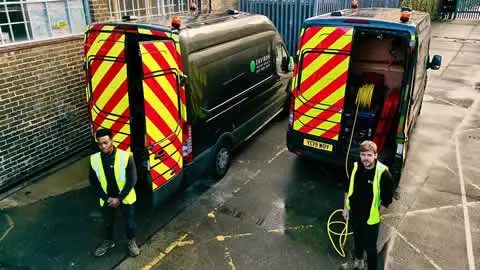
Drainage problems can be difficult to diagnose because most of the system is hidden underground. Slow-draining water, foul smells, recurring blockages, flooding, and unusual noises may all indicate a problem, but these warning signs do not always reveal the exact cause.
A CCTV drain survey removes the guesswork by allowing a drainage engineer to inspect the inside of your pipes using specialist camera equipment. The survey can identify damage, blockages, structural defects, and other hidden issues without immediately digging up floors, gardens, or driveways.
What Is a CCTV Drain Survey and How Does It Work?
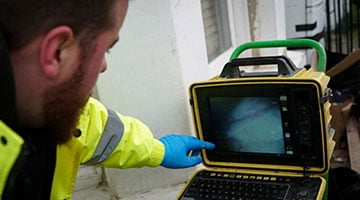
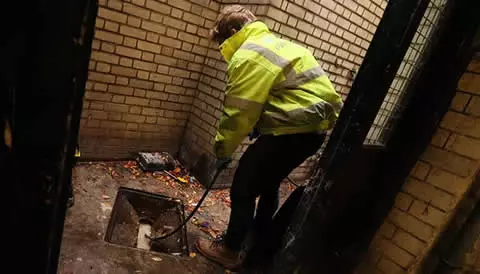
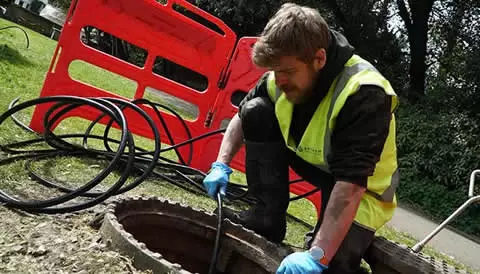
A CCTV drain survey is a detailed internal inspection of a drainage system using a small, high-resolution camera. The camera is inserted through a suitable access point, such as a manhole or inspection chamber, and carefully guided through the pipework.
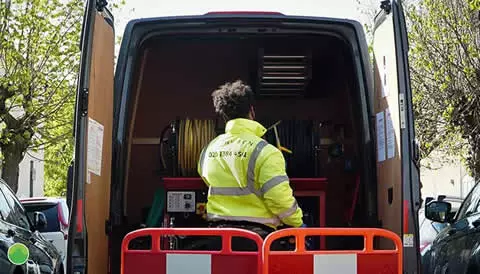
As the camera moves through the drainage system, the engineer watches the live footage on a monitor. This makes it possible to examine areas that cannot be seen from ground level and identify problems that may otherwise remain hidden.
Depending on the size and layout of the system, the survey may inspect:
- Underground drains
- Sewer pipes
- Pipe connections
- Bends and junctions
- Wastewater outlets
- Inspection chambers
- Shared drainage lines
Environ Drainage Services uses specialist CCTV equipment capable of inspecting pipes as narrow as 70mm and surveying pipework at depths of up to 100 metres.
During the inspection, the engineer may identify:
- Built-up waste and stubborn blockages
- Cracked, fractured, or broken pipes
- Misaligned or displaced joints
- Tree-root intrusion
- Leaking drainage pipes
- Collapsed sections of pipework
- Structural deterioration
- Poorly installed connections
- Signs of rodent activity
- Construction debris inside the system
The engineer can assess the location and severity of each defect while the inspection is taking place. Once the survey is complete, you may receive a written report containing photographs, recorded footage, details of any defects, and recommendations for cleaning, repair, or maintenance work.
This process helps determine whether the problem is minor or whether the drainage system requires more extensive attention. Instead of relying on assumptions, you receive clear evidence showing what is happening inside the pipes.
Common Problems Identified During a CCTV Drain Survey
A CCTV drain survey can reveal both obvious and hidden problems. Some defects may already be causing noticeable symptoms, while others may be developing without producing clear warning signs.
Common findings include:
Drain Blockages
Grease, food waste, hair, wet wipes, sanitary products, and other materials can build up inside drainage pipes. As the blockage grows, water begins to drain more slowly and may eventually back up into sinks, toilets, showers, or inspection chambers.
A camera inspection helps determine where the blockage is located and whether it is caused by ordinary waste or an underlying structural defect.
Tree-Root Intrusion
Tree and plant roots naturally grow towards moisture. They can enter drainage pipes through small cracks, damaged seals, or loose joints.
Once inside, the roots continue to grow and may trap waste, restrict water flow, or damage the pipe further. A CCTV survey can show how far the roots have spread and whether they can be removed without excavation.
Collapsed Drains
Older or badly damaged pipes may lose their shape or collapse completely. This can stop wastewater from flowing through the system and may lead to serious blockages, flooding, or ground movement.
A collapsed drain usually requires professional repair. The survey helps locate the affected section so that unnecessary excavation can be avoided.
Evidence of Rodent Activity
Rats often travel through damaged or poorly sealed drainage systems. Broken pipes, redundant connections, and open joints may give rodents access to areas beneath or inside a property.
A CCTV survey can identify possible entry points and help determine what repairs are needed to prevent further access.
Leaking or Burst Drainage Pipes
Cracks, fractures, and failed joints can allow wastewater to escape into the surrounding soil. This may create unpleasant smells, damp patches, soil erosion, or damage around the foundations of the property.
The survey can locate the leak and show whether the pipe can be repaired through relining, patching, or another method.
Displaced Pipe Joints
Ground movement, poor installation, or external pressure can cause sections of pipework to move out of alignment. Waste may collect around the displaced joint, increasing the risk of repeated blockages.
The footage helps the engineer assess the amount of movement and decide whether a local repair or replacement is needed.
Scale, Corrosion, and Deterioration
Mineral deposits, corrosion, and general wear can reduce the internal diameter of a pipe. This restricts water flow and makes it easier for waste to collect.
These issues are more common in older drainage systems and may gradually become worse if they are not addressed.
Poorly Completed Repairs
Previous repairs may have been completed incorrectly or with unsuitable materials. A CCTV survey can reveal uneven pipework, protruding connections, poorly sealed joints, and other workmanship issues.
Once the type, location, and severity of the defect are known, the engineer can recommend an appropriate solution. This may include:
- High-pressure water jetting
- Root cutting
- Localised patch repairs
- Drain relining
- Pipe replacement
- Excavation
- Rodent prevention work
- Ongoing maintenance
When Should You Arrange a CCTV Drain Survey and Why?
You do not need to wait until sewage overflows or a drain collapses before arranging an inspection. CCTV drain surveys can be used to investigate existing problems, check a property before purchase, or monitor the condition of an ageing drainage system.
You may need a survey when:
- A blockage keeps returning after being cleared
- Several sinks, toilets, or showers are draining slowly
- Water rises inside inspection chambers
- Wastewater backs up into the property
- Persistent sewage smells are present
- Gurgling noises come from the pipework
- Damp patches appear without an obvious cause
- The ground around a drain begins to sink
- Nearby trees may be affecting underground pipes
- You are buying an older property
- Building work may affect existing drains
- An insurer or mortgage provider requests evidence
- You want to plan preventative maintenance
A drainage engineer may be able to clear a simple blockage without a full survey. However, when the same issue keeps returning, a camera inspection is often the best way to identify the real cause.
The survey helps avoid repeatedly treating the symptoms while leaving the underlying defect unresolved.
Investigating One-Off and Recurring Drainage Problems
A one-off drainage problem may be caused by an isolated build-up of food waste, grease, hair, or another material. In many cases, removing the blockage restores the flow and no further work is required.
Recurring drainage problems are different. When a drain repeatedly blocks, overflows, smells, or empties slowly, there may be an underlying defect inside the pipework.
Possible causes include:
- A cracked pipe
- A displaced joint
- Root intrusion
- A partially collapsed drain
- Poor pipe gradient
- Heavy scale deposits
- A damaged connection
- Debris left during building work
Simply clearing the blockage may only provide temporary relief. Waste can continue to collect around the damaged section, causing the same problem to return after a few weeks or months.
A CCTV drain survey allows the engineer to inspect the full condition of the accessible pipework. If the problem is caused by ordinary waste, the pipe can usually be cleaned, and advice can be provided to reduce the chance of another blockage.
When structural damage is found, the repair can be focused on the affected section. Detecting a small defect early may prevent it from developing into a collapsed drain or a more expensive excavation project.
Why Homebuyers Should Arrange a Pre-Purchase Drain Survey
A property may appear to be in good condition above ground while serious drainage defects remain hidden below the surface. Cracked pipes, root intrusion, displaced joints, and partial blockages may not cause obvious symptoms during a viewing.
A standard property survey may mention visible drainage concerns, but it does not usually include a detailed internal inspection of underground pipes.
A pre-purchase CCTV drain survey can help you understand:
- The condition of the accessible drainage system
- Whether any pipes are cracked or damaged
- Whether roots have entered the drains
- Whether blockages are developing
- Whether repairs have been completed properly
- Whether the system may require future maintenance
- Whether there are signs of collapse or leakage
If a problem is discovered before contracts are completed, you may be able to:
- Ask the seller to complete the repair
- Request quotations from drainage specialists
- Renegotiate the purchase price
- Investigate whether insurance may cover the work
- Reconsider the purchase if the damage is serious
The survey footage and written report provide stronger evidence than a general warning that the drains may require attention.
A detailed drainage report may also be useful during mortgage discussions, insurance claims, or negotiations with the seller.
Even when no serious defects are found, the survey can provide reassurance that the accessible drainage system has been professionally inspected before you take ownership of the property.
Using CCTV Surveys for Preventative Drain Maintenance
CCTV drain surveys are not only used during emergencies. They can also form part of a preventative maintenance plan for homes, rental properties, commercial premises, and older buildings.
Small drainage defects often become more serious over time. A minor crack may allow water to escape and soil to enter the pipe. A loose joint may trap waste until the drain becomes fully blocked. Root growth may widen an existing opening and cause further structural damage.
Escaping water can gradually wash away the soil supporting the pipe. This may cause the surrounding ground to weaken, increasing the risk of pipe movement, collapse, or damage to nearby surfaces.
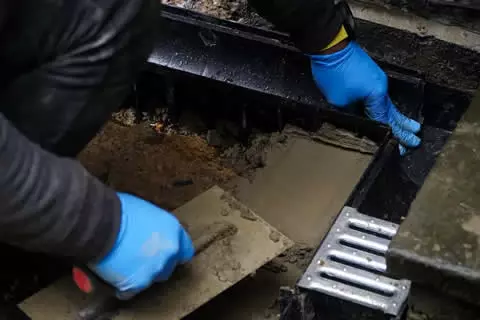
Inspection chambers can also deteriorate. Loose bricks, damaged benching, failing mortar, and accumulated debris may interfere with the flow of wastewater.
Regular CCTV inspections can help identify these issues before they result in:
- Sewage backups
- Internal flooding
- Persistent smells
- Ground movement
- Emergency callouts
- Expensive excavation
- Disruption to residents or customers
The appropriate inspection schedule depends on several factors, including:
- The age of the drainage system
- Previous blockages or repairs
- Nearby trees and vegetation
- The number of people using the property
- The type of business operating on the premises
- The amount of grease, waste, or debris entering the drains
Commercial properties may benefit from planned inspections because drainage failures can interrupt business operations, inconvenience customers, and create hygiene concerns.
Restaurants, hotels, offices, rental buildings, schools, and other heavily used premises may require more frequent monitoring than a typical residential property.
Drain Survey Cost
Our CCTV drain surveys are available in the London area at £250 plus VAT for residential properties and £350 plus VAT for commercial. Call us now or request your call back to book your CCTV drain survey.
Why Choose Environ Drainage Services
Environ Drainage Services provides professional CCTV drain surveys across London and surrounding areas, using advanced inspection technology to deliver accurate, reliable results.
Our engineers are experienced in diagnosing complex drainage issues quickly and efficiently, helping customers avoid unnecessary excavation and reduce long-term repair costs.
We provide:
- Fast response times
- Clear, detailed CCTV reports
- High-resolution recorded footage
- Honest, practical repair recommendations
- Support for both residential and commercial properties
- Pre-purchase drainage inspections for homebuyers
Our goal is to identify the exact cause of drainage problems and provide the most cost-effective solution.
Frequently Asked Questions
How long does a CCTV drain survey take?
Most CCTV drain surveys take between one and two hours, depending on the size of the property and the complexity of the drainage system. Larger or more heavily blocked systems may take longer to inspect.
Do I need to prepare anything before a CCTV drain survey?
In most cases, you only need to ensure that access points such as manholes or inspection chambers are clear. If possible, providing information about previous blockages or repairs can also help the engineer.
Will a CCTV drain survey damage my property?
No. A CCTV drain survey is a non-invasive process. The camera is inserted through existing access points, so there is no need for digging or disruption to floors, gardens, or driveways.
What happens if a problem is found during the survey?
If a defect is identified, the engineer will explain the issue and recommend the most suitable solution. This may include cleaning, repair, or replacement work depending on the severity of the problem.