Rats entering your home through the drains can be difficult to eliminate because the visible infestation is often only part of the problem. Traps may remove the rats already inside, but they can keep returning if cracked pipes, open joints, or unused drainage connections continue to provide an access route.
Environ Drainage Services helps identify and resolve the source of the infestation. Our engineers use CCTV drain surveys to locate hidden entry points, remove rats from affected sections, and repair defective pipework. By dealing with both the rodents and the drainage fault, we provide a more effective long-term solution than pest treatment alone.
How Can Rats Enter Your Home through Your Drainage System?
Rats often live within public sewers because these networks provide shelter and water. From the sewer, they can move into private drainage pipes connected to homes.
A properly maintained drainage system should keep rats contained within the pipe network. However, cracked drains, open joints, redundant branches, poorly sealed connections, and collapsed sections can create routes into a property.
Rats can squeeze through small gaps and travel through narrow pipework. They may climb inside drains, pass around bends, and gnaw through weakened materials. Once they leave the drainage system, they can move beneath floors, through wall cavities, behind kitchen cupboards, or into basements and lofts.
Older properties can be vulnerable because drainage layouts may have been altered several times. Extensions, removed toilets, relocated kitchens, and abandoned pipes can leave unused connections that were never sealed correctly.
Blocking a visible hole inside the house is not always enough. Rats may find another path through the same damaged network. The underground fault must be located and repaired to prevent the problem from returning.
Signs that rats may be coming in through your drainage system
Rat activity is not always easy to trace. Because drains are hidden below ground, the first warning signs often appear inside the property rather than near the entry point.
Common signs include droppings in cupboards, basements, lofts, utility rooms, or behind appliances. You may also notice scratching, squeaking, or movement beneath floors and inside walls.
Other evidence includes chewed food packaging, damaged insulation, gnaw marks around skirting boards, shredded nesting materials, greasy marks along walls, and a strong smell caused by urine or droppings.
If traps or pest treatments remove rats but activity returns, there may be an open route through the drainage system.
Check accessible areas around the building for gaps, damaged air bricks, holes around utility pipes, loose vents. When no above-ground entry point is found, a CCTV drain survey is the next step.
The survey can reveal cracked pipes, open connections, defective joints, and other hidden faults that may be giving rodents access to the building.
Do you need a pest control expert or professional drainage engineers?
Pest control specialists and drainage engineers have different roles, and many infestations require both.
A pest control expert deals with rats already living inside the property. This may involve setting traps, monitoring activity, removing rodents, identifying nesting areas.
A drainage engineer focuses on the underground system. They inspect the pipes, identify structural defects, locate entry routes, and complete the repairs needed to stop more rats from entering.
Using pest control alone may reduce the immediate problem, but it will not repair a cracked drain or seal an abandoned pipe. Likewise, repairing the drains will not remove rats already nesting inside walls, floors, or roof spaces.
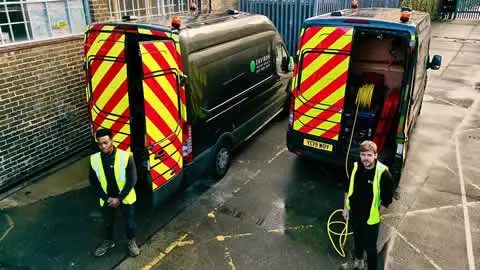
Environ Drainage Services works alongside our sister company, Environ Pest Control, so both parts of the infestation can be handled. This approach helps prevent rats from being trapped in inaccessible areas.
A long-term solution depends on removing existing rats and closing every practical access route.
How Environ Drainage Services can solve your rat problem!
Our process begins with an investigation and ends with the removal of rats and repair of the drainage defects responsible for the problem.
Every property is different. One home may have a single open connection that can be sealed quickly, while another may have damaged pipes, displaced joints, or collapsed sections requiring more extensive work.
By inspecting the system first, we avoid unnecessary excavation and recommend repairs based on evidence.
Step 1: CCTV Drain Survey
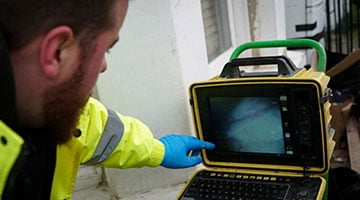
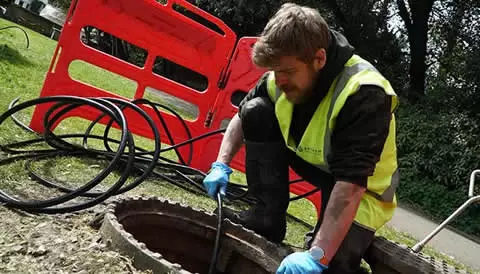
A CCTV drain survey is the first stage because it allows our engineers to inspect underground pipes without digging up the property.
A specialist camera is guided through the drainage system while the engineer watches live footage. This makes it possible to check the condition of the pipes and identify defects connected to the infestation.
The survey may reveal cracks, fractures, collapsed sections, displaced joints, open branches, redundant connections, poor seals, blockages, or evidence of rats within the drains.
Once the inspection is complete, the engineer can explain what has been found and recommend the right repair. Minor defects may sometimes be addressed during the visit, while larger repairs may need equipment or excavation.
The purpose of the survey is to locate the route rats are using. Confirming that rodents are present is not enough. The entry point must be identified before the system can be secured.
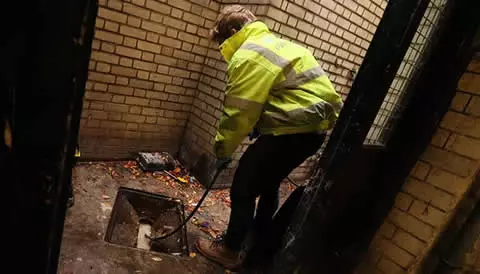
Step 2: Trap and remove the rats that currently live in your drains
Rats occupying the affected drain section may need to be removed before the access route is permanently sealed.
Closing a damaged connection while rats remain on the property side of the repair can trap them beneath floors or inside wall cavities. This may force them to create new escape routes and cause damage.
Environ generally uses trapping methods rather than poison inside drainage systems. Poisoned rats can die in inaccessible pipes, walls, or voids, creating severe odours and attracting flies.
Trapping allows rodents to be removed in a controlled way. The drainage and pest control teams can monitor activity, clear the area, and complete the repair when it is safe.
The exact method depends on the property layout, drainage system, and level of infestation.
Step 3: Repair your defective drains
After the entry route has been confirmed and the affected section cleared, the defective drains must be repaired.
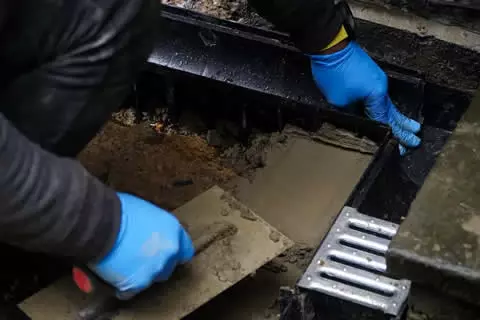
The best method depends on the type, size, and location of the damage. Small cracks or displaced joints may be suitable for a local repair. Longer damaged sections may be restored using drain relining, which forms a new sealed layer inside the existing pipe.
Severely collapsed or deteriorated drains may require excavation and replacement. Redundant branches and unused connections should be sealed properly so rats cannot continue using them as pathways.
Other solutions may include installing rodent blockers, repairing manholes, rebuilding access points, correcting poor installations, or replacing broken sections of pipe.
The aim is to restore the system so it carries wastewater correctly and prevents rodents from leaving the drain network.
A repair should address the actual structural weakness, not simply cover the nearest visible opening. Rats can travel through connected pipework and may use several defects within the same system.
Step 4: Have our sister company, Environ Pest Control, eradicate rats in your home!
Once underground routes have been repaired, rats living inside the property must be removed.
Environ Pest Control can inspect the building, identify areas, set traps, monitor movement, and check nesting spaces. The team can also recommend proofing work around external walls, vents, utility openings, and other gaps.
Rodent barriers or rat blockers may be installed in suitable drainage lines to provide protection, but they must be fitted correctly and maintained.
Coordinating pest control with drainage repairs creates a complete result. Rats inside are removed, while the hidden route that allowed them to enter is closed.
If you have noticed droppings, scratching noises, gnawed materials, unpleasant smells, or repeated rat activity without an obvious entry point, arrange a professional drainage inspection. Finding the source is the most effective way to stop rats from returning through your drains.
Why a CCTV Drainage Survey Is the Best Way to Detect Rats in Drains
Drainage defects are usually hidden beneath floors, gardens, driveways, paths, and foundations. Without a camera inspection, finding the source can involve guesswork or unnecessary digging.
A CCTV survey provides visual evidence from inside the pipe. It shows the location and condition of cracks, open joints, collapsed areas, and abandoned connections.
The footage helps engineers judge the seriousness of the problem and choose a repair that matches the defect. It can also show whether more than one weakness exists within the same drain run.
Sometimes a rat may appear on the recording. In other cases, the camera reveals an opening that connects the drain to a floor void or wall cavity.
This method is faster, cleaner, and more targeted than excavating large areas without knowing where the damage is located. It also provides a record of the drainage condition for planning repairs.
Why Choose Environ Drainage Services?
Environ Drainage Services provides a complete solution for rat problems linked to damaged or defective drains. We do more than remove the immediate signs of an infestation. Our drainage engineers use CCTV survey equipment to inspect hidden pipework, locate possible entry routes, and recommend the right repair for your property.
Depending on the problem, we can seal redundant connections, repair cracked pipes, reline damaged drains, replace collapsed sections, or install suitable rodent barriers. We also work closely with our sister company, Environ Pest Control, to deal with rats that have already entered your home.
Frequently Asked Questions
Can rats enter a home through the toilet?
Yes. Rats can travel through drainage pipes and may reach toilets if the system has damaged sections or missing barriers. This is uncommon, but it can happen.
How do I know rats are coming from the drains?
Repeated infestations, scratching under floors, smells, droppings near pipework, and no obvious entry point can indicate a drainage route.
Will a rat blocker stop rats entering?
A fitted rat blocker can reduce access through a drain. However, damaged pipes, open connections, and other entry points must also be repaired.
Do I need a CCTV drain survey?
A CCTV survey is the most reliable way to inspect hidden pipework. It can locate cracks, displaced joints, redundant connections, and other defects rats may be using.