Understanding UK drainage regulations is essential for property owners who need to ensure compliance and effective management of drainage systems.
These rules protect public health and the environment by ensuring systems operate correctly and do not cause harm. In this guide, we summarise the key compliance requirements, relevant building regulations, and legal responsibilities that apply to property owners, and explain sewer connection rules, necessary permits, and maintenance best practice.
By the end, you'll understand your obligations and how to manage drainage systems effectively.
What Are the Key UK Drainage Compliance Requirements for Property Owners?
Property owners in the UK must meet several core drainage requirements to keep systems legal and functional: proper design, correct installation, and ongoing maintenance. Meeting these standards helps prevent flooding, pollution, and structural damage. Failure to comply can lead to fines and enforcement from local authorities.
Building Regulations Affect Drainage Systems in the UK
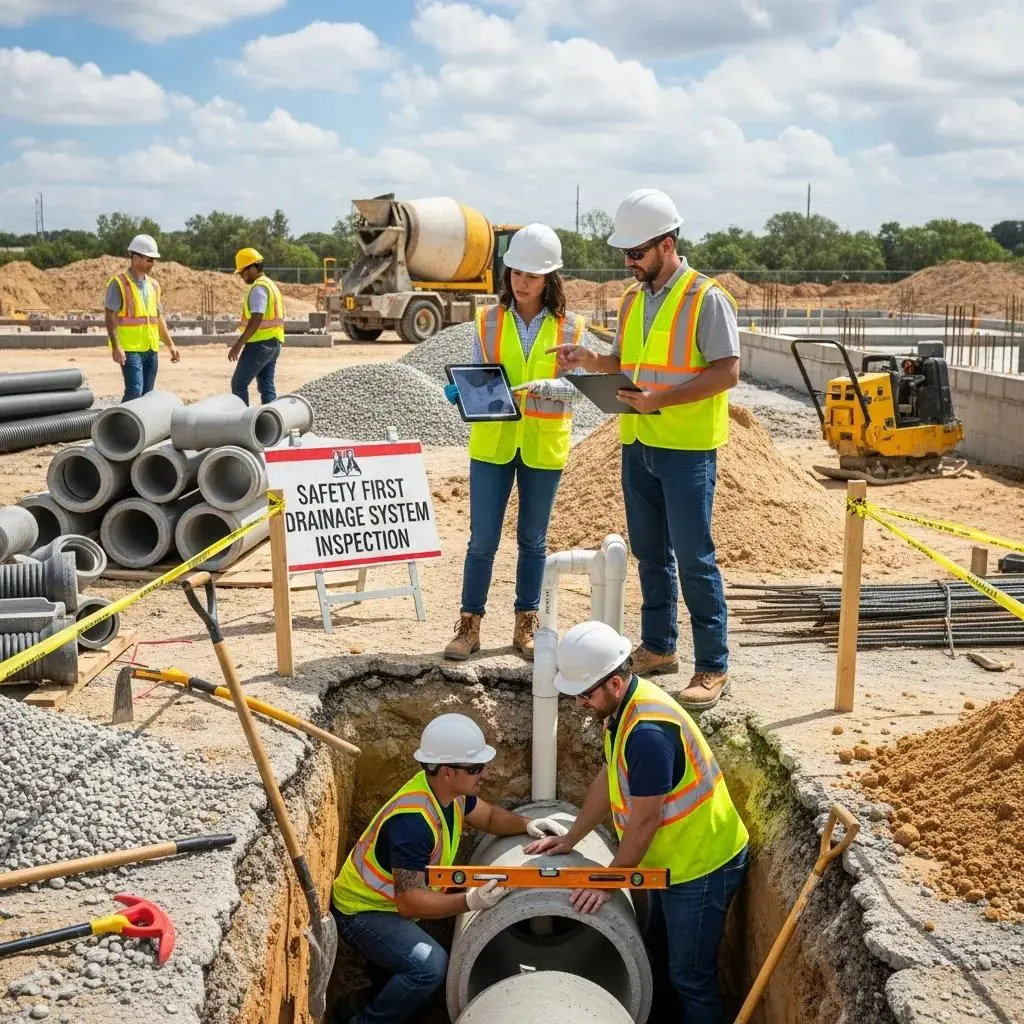
UK building regulations set mandatory standards for drainage design and construction to prevent water damage and protect public health.
Key legislation includes the Building Act 1984, the Building Regulations, and the relevant Approved Documents, which define those standards. Property owners should familiarise themselves with these documents to ensure systems meet requirements and to avoid legal issues.
What Are Property Owners' Legal Responsibilities for Drainage Maintenance?
Property owners are legally responsible for keeping private drains clear and operational, while responsibility for other parts of the network can vary depending on ownership and location. Understanding and meeting your obligations helps ensure drainage systems remain effective and compliant.
Sewer Connection Rules Impact Property Drainage Compliance
Sewer connection rules determine how you may connect your drainage to the public sewer network. Following these rules ensures connections are legal and do not create problems for neighbouring properties. Compliance also reduces the risk of blockages and overflows that can cause environmental contamination and public health hazards.
What Permits and Approvals Are Required for Sewer Connections?
Connecting to the public sewer usually requires permits and approvals. This typically involves submitting an application to the relevant sewerage undertaker or other responsible authority, which will assess the proposed connection against regulatory standards. Required permissions can include approval to connect to the public sewer and, in some cases, other consents depending on the work.
Sewer Maintenance Under UK Law
Responsibility for sewer maintenance varies by system. Householders typically maintain private drains, while water and sewerage companies or other relevant public bodies are responsible for public sewers.
Where sewers are shared between properties, maintenance responsibility depends on whether the pipework is private or part of the public network. Knowing who is responsible helps ensure systems are properly maintained and compliant.
Write for me
Based on entire block
Quota 61/300
What Are the Best Practices for Property Drainage Inspection and Maintenance?
Regular inspection and maintenance are essential to ensure compliance and avoid failures. Best practice includes:
Regular Inspections: Conduct routine inspections to identify potential problems before they escalate.
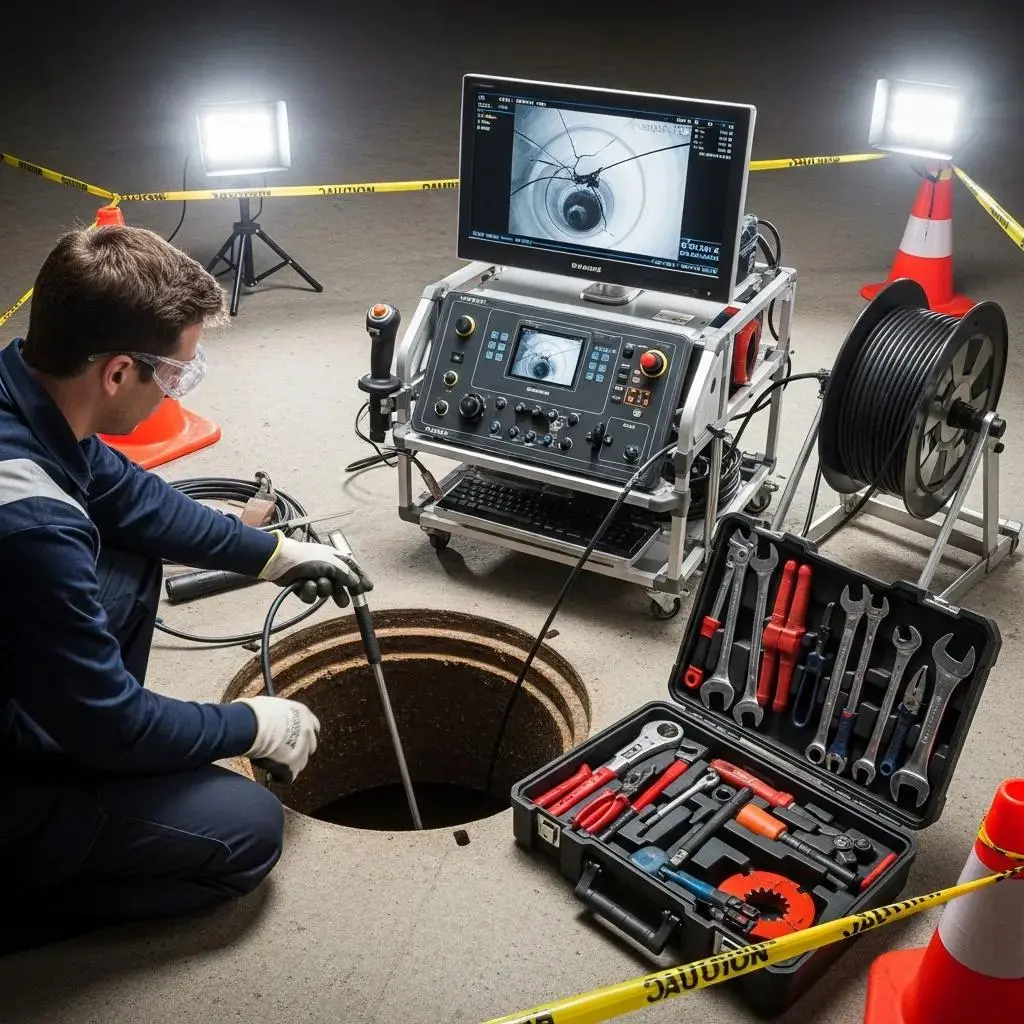
CCTV Drain Surveys: Use CCTV technology to assess the condition of drainage pipes and identify blockages or damage.
Access for Repairs: Ensure drainage systems are accessible for inspection, maintenance, and urgent repair work in case of blockages or failures.
Following these practices helps you maintain drainage systems effectively and remain compliant with regulations.
What Solutions Address Common Drainage Problems for Property Owners?
Property owners commonly face drainage issues that need targeted solutions. Typical responses include:
Drain Unblocking Services: Professional services that clear blockages in drainage systems to restore proper flow.
CCTV Drain Surveys: Advanced inspections that provide detailed insights into the condition of drainage systems.
Emergency Drainage Services: Rapid response services that address urgent drainage issues to prevent further damage.
Environ Drainage Services offers these solutions to help property owners in London manage drainage systems effectively.
How Can Landlords and Tenants Meet UK Drainage Regulations Effectively?
Landlords and tenants should cooperate to meet drainage regulations. Regular maintenance, prompt repairs, and clear guidance on proper system use are essential. Landlords must set out responsibilities clearly, and tenants should report issues promptly to prevent escalation.
Landlord Obligations Regarding Drainage Compliance
Landlords are generally expected to ensure drainage systems are maintained and functioning, depending on the tenancy terms and the nature of the issue. This includes responding to reported issues quickly and carrying out periodic inspections to prevent problems. Failure to act can lead to legal consequences and potential liability for resulting damage.
Tenants Report and Manage Drainage Issues
Tenants should report any drainage problems straight away to their landlord or property manager. Prompt communication and action stop minor faults from becoming major issues. For professional assistance, tenants can contact Environ Drainage Services at 020 4572 3172 or via email at info@environdrainageservices.co.uk.
Trusted Drainage Support from Environ Drainage Services
At Environ Drainage Services, we specialise in providing comprehensive drainage solutions tailored to meet the needs of property owners across the UK. We understand the complexities of UK drainage regulations and are committed to helping you achieve full compliance while maintaining effective drainage systems.
Our expert team offers a range of services, including professional drain unblocking, detailed CCTV drain surveys in London, and emergency drainage service in London, to address urgent issues promptly.
We pride ourselves on delivering reliable, high-quality services that protect your property from flooding, pollution, and structural damage. By choosing Environ Drainage Services, you benefit from our extensive knowledge of legal responsibilities, sewer connection rules, and maintenance best practices.
We work closely with landlords, tenants, and property managers to ensure drainage systems are properly maintained and any problems are resolved quickly.
Frequently Asked Questions
What are the consequences of failing to comply with UK drainage regulations?
Failing to comply with UK drainage regulations can lead to significant consequences for property owners. These may include fines, enforcement action, legal disputes, or remedial work to bring drainage systems up to standard. Additionally, non-compliance can result in property damage due to flooding or pollution, which can further escalate repair costs and liability issues. It is crucial for property owners to understand and adhere to these regulations to avoid such repercussions.
How often should property owners conduct drainage inspections?
Property owners should conduct drainage inspections regularly to ensure systems are functioning properly and to identify potential issues early. However, more frequent inspections may be necessary in areas prone to heavy rainfall or flooding. Seasonal checks, especially before and after winter, can help prevent blockages and damage. Regular inspections, including CCTV surveys, can provide valuable insights into the condition of drainage systems and help maintain compliance with regulations.
What should property owners do if they discover a drainage issue?
If property owners discover a drainage issue, they should act promptly to address it. The first step is to assess the severity of the problem and determine whether it requires immediate professional intervention. For minor issues, property owners can attempt to clear blockages using safe, appropriate methods where suitable. However, for significant problems, such as severe blockages or structural damage, contacting a professional drainage service is essential. Timely action can prevent further damage and ensure compliance with drainage regulations.
Are there specific drainage regulations for commercial properties?
Write for me
Based on entire block
Quota 61/300
Yes, commercial properties in the UK are subject to specific drainage regulations that may differ from those for residential properties. These regulations may involve different compliance requirements because of the type of use, waste produced, and potential impact on public health and the environment. Commercial property owners must ensure that their drainage systems are designed, installed, and maintained according to relevant building regulations and local authority guidelines to avoid legal issues and ensure effective drainage management.