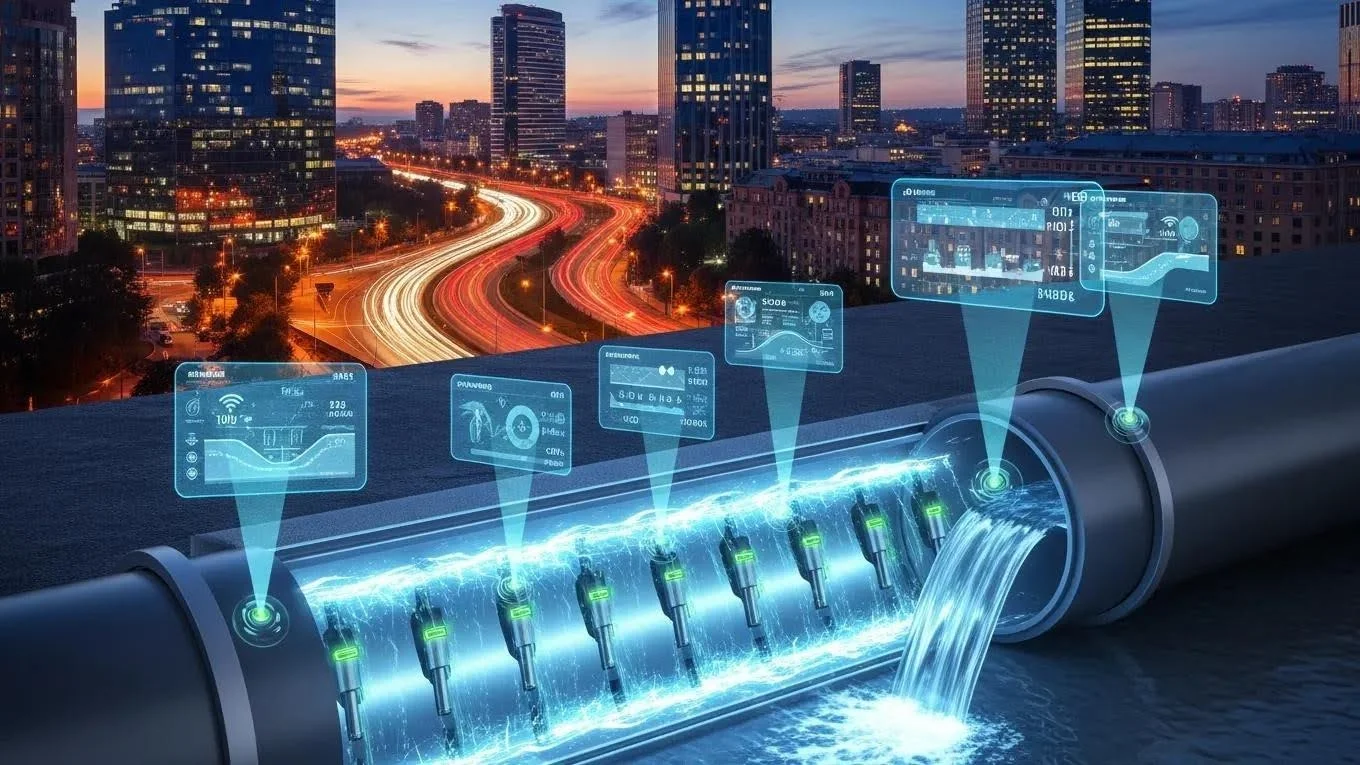
The integration of smart technology into drainage systems is revolutionizing how we manage water flow and prevent blockages. As urban areas continue to grow, the need for efficient drainage solutions becomes increasingly critical.
Today, this article explores the future of drainage through smart technology, focusing on how these innovations enhance efficiency, reliability, and sustainability. We will also cover relevant drainage services offered by Environ Drainage Services in London.
Discover How Smart Drainage Systems Work Just For You
Smart drainage systems utilize advanced technology to monitor and manage water flow in real-time. These systems incorporate IoT sensors that detect changes in water levels and flow rates, allowing for immediate responses to potential blockages or overflows.
The integration of these technologies not only enhances operational efficiency but also contributes to environmental sustainability by minimizing water waste and pollution.
IoT Sensors Detecting Drainage Blockages
IoT sensors play a crucial role in identifying drainage blockages by continuously monitoring the flow of water through drainage pipes.
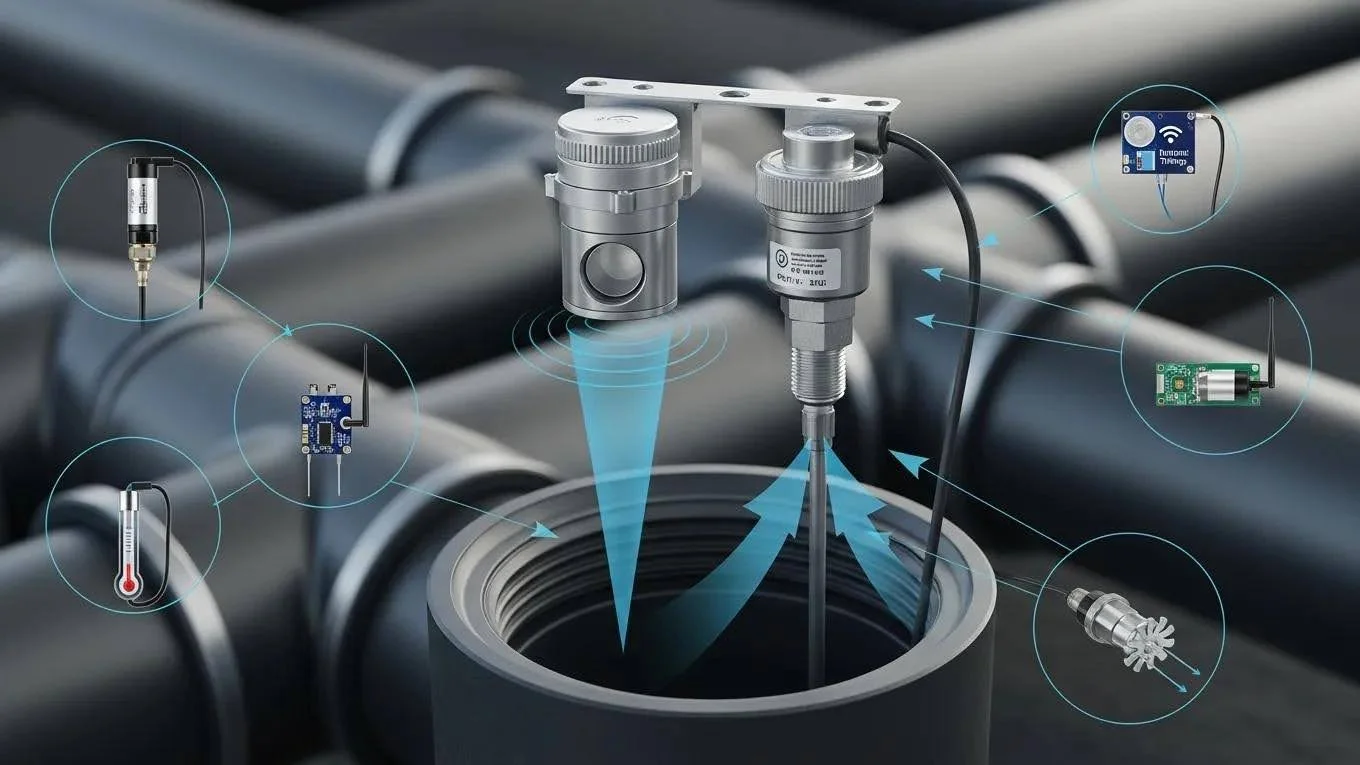
These sensors can detect variations in water levels and flow rates, signaling potential issues before they escalate. For instance, ultrasonic sensors measure the distance to the water surface, while pressure sensors monitor changes in pressure within the pipes.
Technologies Enabling Automated Drainage Monitoring
Automated drainage monitoring relies on a combination of sensor technologies and data transmission methods. Key technologies include ultrasonic and pressure sensors for detecting water levels, blockages, and pressure changes, plus data analytics to predict maintenance needs.
See How You Benefit From Implementing Smart Drainage Technology
Implementing smart drainage technology offers numerous advantages. The increased efficiency gained through real-time monitoring allows maintenance teams to respond quickly to potential issues, thereby reducing downtime.
Environ Drainage Services provides drainage services such as drain unblocking, drain cleaning, CCTV drain surveys, repairs, and emergency drainage services.
Benefit | Description | Impact Level |
|---|
Increased Efficiency | Real-time monitoring and quick response times | High |
Cost Savings | Reduced repair costs through predictive maintenance | High |
Environmental Impact | Prevention of overflows and pollution | Medium |
Predictive Maintenance: Preventing Drainage Failures
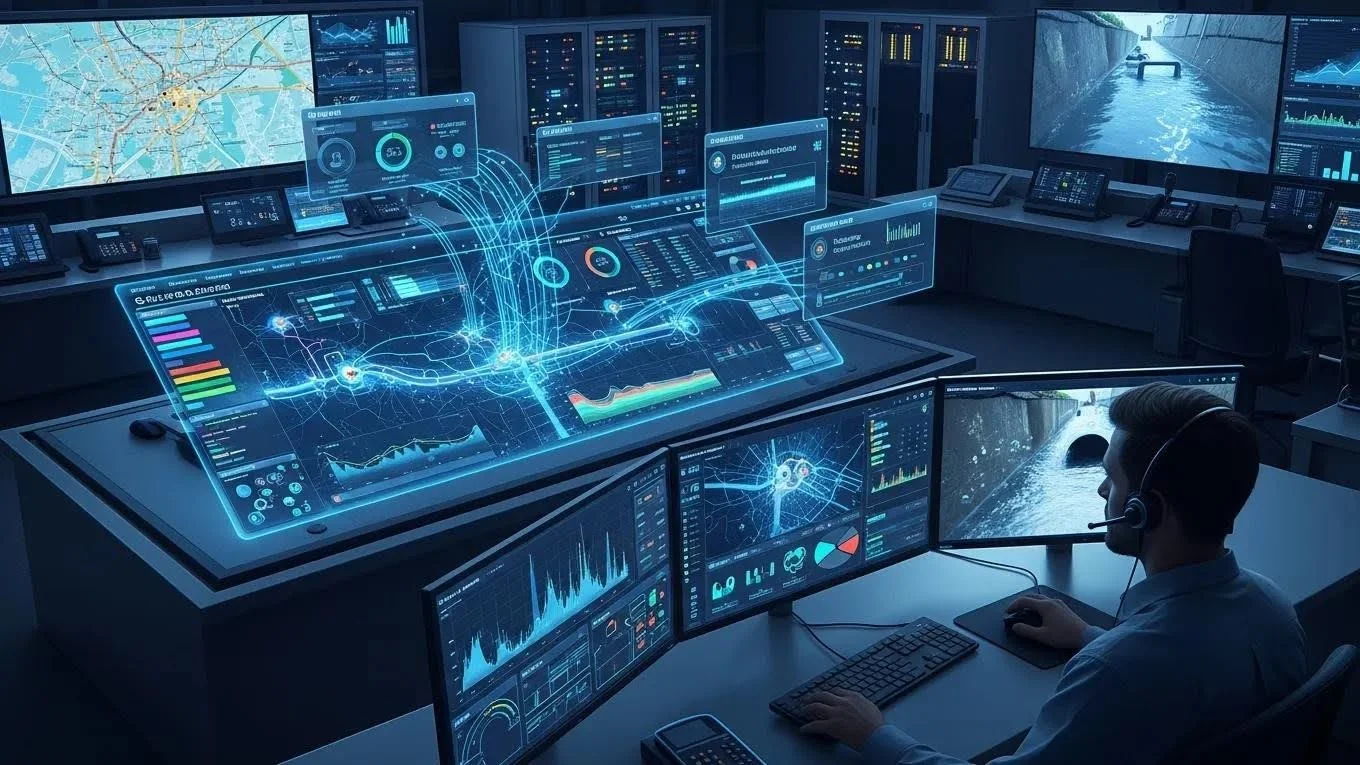
Predictive maintenance represents a proactive maintenance strategy that uses data gathered from IoT sensors to forecast potential drainage failures. By analyzing both historical data and current system performance, maintenance teams can identify recurring patterns or warning signs indicating an impending failure.
This foresight enables timely interventions such as cleaning or repairs before blockages actually occur, resulting in enhanced system reliability and extended lifespan of drainage infrastructure.
Smart Technology Enhancing Safety And Longevity
Smart technology increases the safety and longevity of drainage systems through multiple mechanisms. Continuous real-time monitoring provides ongoing oversight of drainage conditions, helping to prevent emergencies before they occur. Collectively, these features foster safer urban environments and more durable drainage infrastructure.
Learn How You Can Apply Smart Drainage Solutions to Your Property
Smart drainage solutions are increasingly utilized in both residential and commercial properties, with tailored benefits for each. In residential areas, these systems assist homeowners in effectively managing stormwater to reduce the risk of basement and yard flooding.
Drainage Services Available For London Residential Properties
Environ Drainage Services provides drainage services for London properties, including drain unblocking, drain cleaning, CCTV drain surveys, repairs, and emergency drainage services. Clients can also benefit from CCTV drain surveys and drain care contracts that support regular inspection, cleaning, and preventative maintenance.
Commercial Properties Benefiting From IoT Drainage Monitoring
Commercial properties gain considerable advantages from IoT drainage monitoring in terms of operational efficiency and cost control. Predictive maintenance further lowers maintenance costs by decreasing the frequency and severity of repairs. Additionally, enhanced safety is achieved through proactive monitoring that helps prevent flooding and related hazards.
Stay Ahead With The Latest Innovations In Drainage Technology
Innovations in drainage technology continue to advance, offering improved capabilities and sustainability. The development of advanced sensor technologies allows for more accurate data collection and faster response times when detecting drainage issues. Artificial intelligence-driven analytics enhance the interpretation of sensor data, improving the effectiveness of predictive maintenance strategies.
New IoT Devices Improving Drainage Inspection And Maintenance
Recent IoT devices have significantly enhanced drainage inspection and maintenance processes. Smart cameras provide visual monitoring capabilities that allow operators to identify blockages and structural problems within drainage systems more accurately. These technologies contribute to a more effective and streamlined approach to managing drainage infrastructure.
Automated Blockage Detection Revolutionizing Drainage Services
Automated blockage detection technology is transforming drainage services by delivering real-time insights into system performance. This capability enables immediate identification of blockages, allowing service providers to respond rapidly and resolve issues before they cause serious problems.
Consequently, providers maintain higher customer satisfaction levels by minimizing flooding risks and property damage. The adoption of this technology is changing the way drainage maintenance is conducted, making services more reliable and efficient.
Why Can You Trust Environ Drainage Services
At Environ Drainage Services, we provide drainage support using professional tools such as CCTV drain surveys, drain cleaning, repairs, and emergency services.
We provide CCTV drain surveys, drain cleaning, drain repairs, drain unblocking, and emergency drainage services.
We pride ourselves on delivering support, including drain inspections, maintenance contracts, and emergency drainage services, to help clients manage drainage issues. Through our commitment to innovation and customer satisfaction, Environ Drainage Services helps customers address drainage issues in London.
Frequently Asked Questions
How do smart drainage systems compare to traditional drainage methods?
Smart drainage systems use IoT sensors for real-time monitoring, unlike traditional systems that rely on manual checks. This allows for faster detection of issues, reducing disruptions, lowering costs, and improving environmental outcomes.
What types of sensors are typically used in smart drainage systems?
These systems commonly use ultrasonic sensors to measure water levels, pressure sensors to monitor pipe pressure changes, and flow sensors to detect water speed variations, providing a comprehensive view of drainage health.
What is the role of data analytics in smart drainage solutions?
Data analytics processes sensor data to detect trends and predict maintenance needs, optimizing system performance and minimizing downtime and repair costs.
How does predictive maintenance work in the context of smart drainage?
Predictive maintenance analyzes sensor data to identify early signs of failures, enabling timely repairs that prevent severe blockages and extend system lifespan.