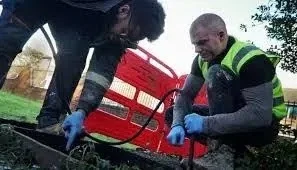
Ensuring safety in drainage work is paramount for protecting both workers and the public. Today, this article delves into the essential safety procedures, risk management strategies, and compliance requirements that govern drainage operations.
Readers will learn about the critical aspects of drainage safety, including risk assessments, personal protective equipment (PPE), and emergency protocols.
What Safety Procedures Should You Always Follow In Drainage Work?
Essential drainage safety procedures are designed to minimize risks and ensure compliance with health and safety regulations. These procedures include conducting thorough risk assessments, utilizing appropriate PPE, and adhering to established safety protocols.
By implementing these practices, drainage professionals can significantly reduce the likelihood of accidents and injuries on the job site.
Drainage Risk Assessment: Identifying Hazards
A drainage risk assessment involves a systematic evaluation of the work environment and the tasks to be performed in order to identify potential hazards. This process begins with gathering detailed data about the site, such as previous incidents and the effectiveness of existing safety measures.
Following data collection, a thorough inspection of the area is conducted to identify physical dangers, including unstable ground conditions and nearby traffic that may pose risks.
Required Personal Protective Equipment For Drainage Work
Personal protective equipment (PPE) is an essential component in protecting workers during drainage operations. PPE for drainage work may include hard hats to help protect workers from head injuries caused by falling objects. Safety boots can support the feet and help protect against heavy equipment, sharp objects, and other site hazards.
How Can You Protect Yourself When Working In Confined Drainage Spaces?
Confined space safety regulations are critical in drainage work, particularly when workers must enter underground systems or other enclosed areas. These regulations are designed to protect workers from the unique hazards associated with confined spaces, such as limited oxygen, toxic gases, and potential engulfment.
UK Health And Safety Standards For Confined Space Entry
In the UK, employers must assess confined-space risks before work begins. Where entry cannot be avoided, they need a safe system of work. Adhering to these standards is crucial in preserving worker safety in confined drains, chambers, and other enclosed drainage areas.
Safe Practices For Entering And Operating In Confined Drainage Spaces
When entering and operating within confined drainage spaces, workers should adopt a series of stringent safety practices. Before entry, thorough checks of all equipment and air quality analyses are essential to confirm a safe working environment. By diligently following these practices, workers can considerably reduce risks and enhance their safety while conducting confined space tasks.
What Best Practices Should You Use For Safe Drainage Maintenance And Repair?
Safe drainage maintenance and repair practices are essential for ensuring the longevity and functionality of drainage systems. These practices include regular inspections, preventative maintenance, and adherence to safety protocols during repairs.
Safe Drainage Repair Methods That Prevent Structural And Health Risks
There are various repair methods that promote safety by preventing both structural damage and health risks in drainage systems. One such method is trenchless technology, which minimizes the need for excavation and thus reduces the risk of ground collapse.
Another approach is pipe relining, which involves repairing existing pipes without extensive digging, helping to preserve the environment surrounding the drainage system.
Maintenance Safety Tips To Ensure Long-Term Drainage System Integrity
Ensuring the long-term integrity of drainage systems requires adherence to key maintenance safety tips. Scheduling routine maintenance, which involves regular inspections and cleanings, helps prevent blockages and deterioration of the system.
Workers must be vigilant for signs of damage such as cracks, leaks, or unusual odors, as these may indicate deeper issues needing prompt attention.
How Can You Implement Emergency Safety Protocols In Your Drainage Work?
Emergency safety protocols are vital for responding effectively to incidents that may occur during drainage work. These protocols should be clearly defined and communicated to all workers.
Key Steps In Emergency Drainage Clearance Safety
Effective emergency drainage clearance safety starts with an immediate assessment of the situation to determine the nature and scope of the emergency.
Prompt communication is critical; this includes alerting all relevant personnel and activating emergency services if necessary. Ensuring the safe evacuation of all workers from the affected area must be a primary concern to prevent injuries.
The Role Of Rapid Risk Assessment In Emergency Safety
Rapid risk assessment is a pivotal component in managing emergency safety within drainage work. It begins with a quick evaluation to ascertain the immediate hazards posed by the situation.
Based on this evaluation, necessary resources and personnel are allocated effectively to address the emergency. Continuous monitoring of environmental and situational changes throughout the response allows teams to adjust their strategy as conditions evolve.
Why Must You Comply With Drainage Work Health And Safety Regulations?
Compliance with health and safety regulations in drainage work is essential for protecting workers and the public. These regulations provide a framework for safe practices and procedures that must be followed.
Consequences Of Non-Compliance with UK Drainage Safety Laws
Failing to comply with UK drainage safety laws carries significant consequences. Legal penalties such as fines and sanctions may be imposed by regulatory authorities for violations of safety standards. Non-compliance also increases liability risks, potentially leading to costly legal actions from injured workers or affected parties.
Enhancing Drainage Work Reliability Through Certified Safety Training
Certified safety training plays a crucial role in improving the reliability and safety of drainage work. Such training raises worker awareness about potential hazards and effective mitigation strategies. It also equips workers with practical skills for safely handling equipment and managing emergency situations.
How Can Advanced Technology Help You Improve Safety In Drainage Inspections?
Advanced technology plays a significant role in improving safety during drainage inspections. By utilizing innovative tools and techniques, professionals can enhance their operational efficiency and reduce risks.
Remote Inspection Tools Reducing Human Exposure To Hazards
The use of remote inspection tools such as CCTV cameras and robotic inspection equipment can reduce the need for direct entry into hazardous drainage areas. Using these tools in drainage inspections can improve visibility, reduce exposure, and support safer planning.
Supporting Worker Training With Safety Demonstrations And Visual Aids
Safety demonstrations and visual aids serve as powerful tools in reinforcing effective worker training. They provide clear, practical illustrations of safety procedures and proper equipment use, which help solidify understanding.
The use of visual materials improves retention of information, making safety concepts easier to recall during actual work situations. Interactive demonstrations engage workers actively, promoting participation and attentiveness.
Why Choose Environ Drainage Services?
At Environ Drainage Services, we focus on safe, professional drainage work across our services. We provide drainage solutions, including drain unblocking, cleaning, CCTV drain surveys, repairs, and emergency drainage services. We offer maintenance, repair, and inspection services utilizing CCTV cameras, drain relining, and high-pressure water jetting.
We support ongoing training and suitable equipment. This helps our team stay aligned with current legislation and industry practice.
Frequently Asked Questions
What specific risks are associated with drainage work?
Drainage work involves a variety of risks, including physical hazards from heavy machinery, electrical dangers, and exposure to harmful substances like sewage. Workers may face falls from heights, injuries from equipment, and the dangers of confined spaces where oxygen may be limited or toxic gases may be present. Proper training and adherence to safety protocols are vital for mitigating these risks effectively.
How can workers ensure they are using PPE correctly?
To ensure proper use of Personal Protective Equipment (PPE), workers should first receive thorough training on the equipment specific to drainage work. They should always check that their PPE is in good condition before use, wear all required items according to guidelines, and be aware of how to maintain them. Regular assessments and reminders can help reinforce proper use and any updates to safety standards.
What is the significance of emergency drills for drainage work?
Emergency drills are crucial in drainage work as they prepare workers for potential incidents, ensuring everyone knows their roles and responsibilities in an emergency. Regularly conducting these drills helps build confidence, improve response times, and identify any areas needing improvement.
How does trenchless technology contribute to drainage safety?
Trenchless technology enhances drainage safety by significantly reducing the need for excavation. This method minimizes ground disturbances, lowering the risk of collapses and injuries related to open trenches. Moreover, it allows for repairs with minimal disruption to the surrounding environment and infrastructure, which further ensures the safety of workers and the public during repairs.