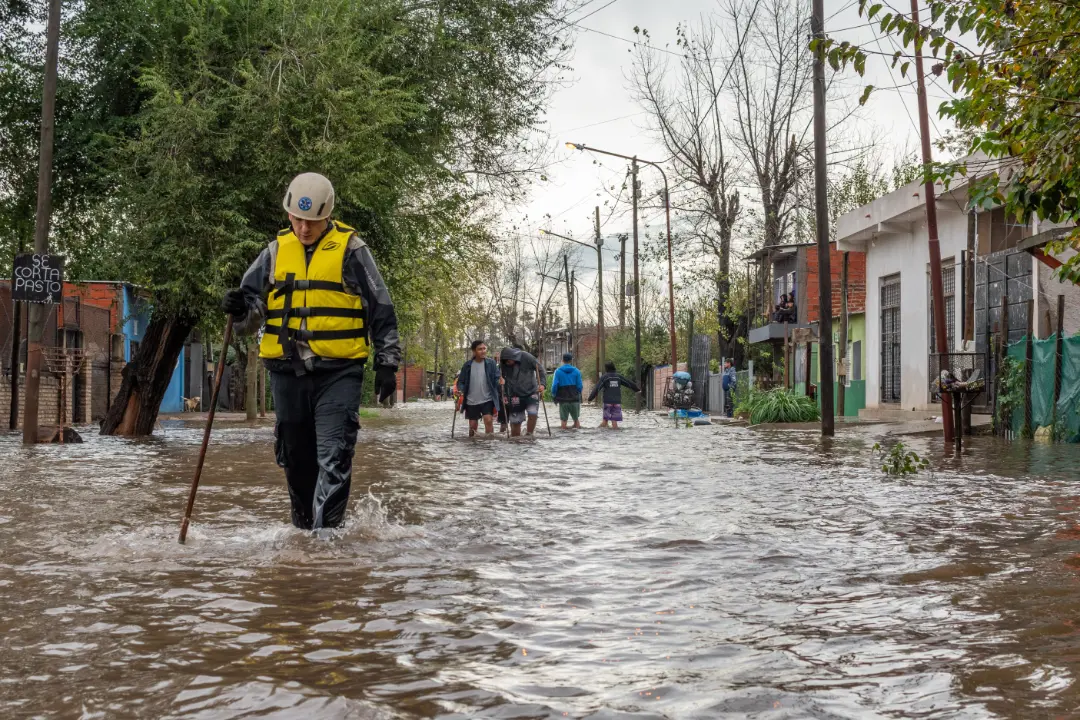
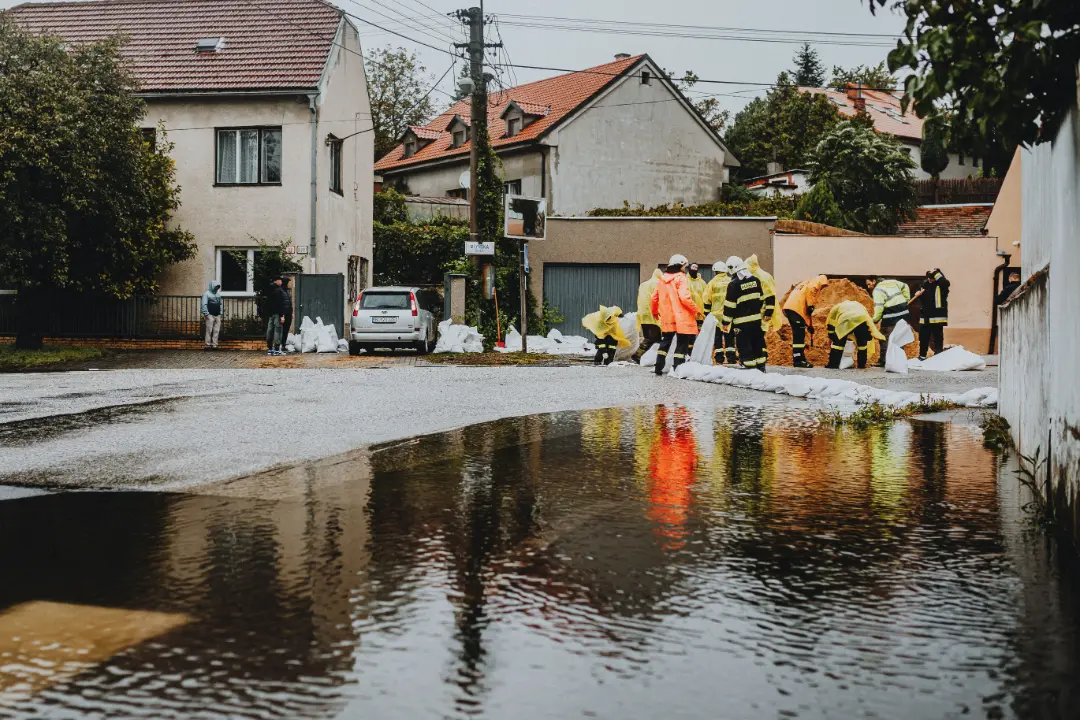
London faces significant flood risks due to its unique geography, climate change, and urban development. Understanding flood zones and the accompanying prevention strategies is crucial for property owners, city planners, and residents.
Today, this guide explains flood risk areas in London and highlights effective urban drainage solutions that can help reduce potential flooding. Readers will learn about various flood zones, the causes of urban flooding, and methods to enhance flood resilience in their properties. By exploring these topics, readers can identify practical steps before wet weather. These measures can improve safety and help reduce damage.
What Are the Flood Zones in London and How Are They Classified?
Flood zones in London are designated areas at varying risk levels of flooding. The Environment Agency defines these flood zones based on the probability of flooding from rivers or the sea. Understanding how these classifications work can help residents identify whether their properties are situated in areas of higher flood risk, which could substantially impact property values and insurance costs.
Environment Agency Flood Zone Definitions for London
The Environment Agency classifies London’s flood zones into various categories, primarily Zone 1, Zone 2, and Zone 3. Zone 1 represents areas with a low flood risk, while Zones 2 and 3 indicate increasingly higher risks based on the likelihood of flooding from rivers or the sea.
For instance, Zone 3 typically includes areas with the highest probability of flooding from rivers or the sea. These classifications are essential for local authorities when planning urban developments and managing land-use strategies.
London Boroughs Most Affected by Flood Risk
Certain boroughs in London face a greater flood risk due to their proximity to rivers and the Thames estuary. Boroughs such as Hammersmith and Fulham, Westminster, and Barking and Dagenham can include areas with elevated flood exposure.
Past flood records and local flood maps can help councils identify vulnerable areas and plan mitigation work. Local authorities may use drainage improvements and community awareness campaigns to help minimize flood damage.
What Causes Urban Flooding and Surface Water Flooding in London?
Urban flooding in London is primarily caused by heavy rainfall and inadequate drainage systems. During intense storms, the existing drainage infrastructure may become overwhelmed, leading to surface water flooding in various areas. It is crucial to understand these contributing factors to develop effective mitigation strategies that can help minimize disruption and damage.
Drainage System Failures and Surface Water Flooding
Drainage system failures are a significant contributor to surface water flooding during heavy rainfall. Old or poorly maintained drainage systems can lead to blockages, preventing water from flowing efficiently.
This issue is exacerbated in urban areas where impervious surfaces, such as roads and pavements, limit natural absorption, causing water to pool. Regular maintenance and upgrades to drainage infrastructure are necessary to reduce this risk effectively.
Climate Change and Increasing London Flood Risks
Climate change can increase heavy downpours, wetter winters, rising sea levels, and higher tidal surges in London. Climate guidance indicates that climate change can lead to higher sea levels and increased rainfall, which collectively heighten the risk for flood-prone areas in London. Consequently, flood management strategies should incorporate climate resilience into planning and maintenance decisions.
Which Flood Prevention Methods and Sustainable Drainage Solutions Are Effective in London?
Several flood prevention methods can be adopted to minimize the risk of flooding in urban areas. Sustainable drainage systems (SuDS) integrate landscaping with water management, allowing for effective rainwater management. These methods can significantly reduce surface water runoff and enhance the overall resilience of London's drainage landscape.
Function and Benefits of Sustainable Drainage Systems
Sustainable drainage systems (SuDS) aim to mimic natural drainage processes to manage rainwater efficiently. Such systems incorporate techniques like permeable pavements, green roofs, and swales to absorb excess water, thus reducing surface runoff. By implementing SuDS, cities like London can effectively lower the incidence of flooding while also promoting biodiversity and improving water quality.
Flood Barriers and Maintenance Services in London
Various flood barriers, such as temporary flood defenses and permanent structures, are available to protect vulnerable areas. Regular maintenance of these barriers is essential to ensure their effectiveness during flooding events.
Maintenance services can provide inspections and necessary repairs to keep these barriers in optimal condition. Environ Drainage Services offers London drainage services, including emergency drainage, drain repairs, CCTV surveys, and maintenance support.
When Should Property Owners in London Assess Flood Risk and Request Emergency Drainage Services?
To safeguard their properties, London homeowners and businesses should regularly assess flood risk, especially before the rainy season. Proactive measures ensure adequate preparedness for potential flooding and reduce the impact of unforeseen weather events.
Benefits of Customized Flood Risk Assessments
Customized flood risk assessments provide tailored evaluations that consider specific property locations, construction types, and surrounding environments.
These assessments can highlight vulnerabilities and recommend appropriate action plans, which may include enhancing drainage systems or implementing flood barriers. This proactive strategy helps to protect homes and businesses, improving their ability to manage flooding events more effectively.
Round-the-Clock Emergency Drainage Services in London
In the event of an emergency flood situation, several services are available for prompt assistance. These emergency drainage services can provide immediate action to reduce property damage, including pumping water out and clearing blocked drains. Environ Drainage Services also offers emergency support, with services available 24/7 to assist property owners affected by flooding incidents.
How Can London Property Flood Resilience Be Improved Through Expert Strategies?
Improving flood resilience requires a combination of strategic planning and timely intervention. By assessing specific property needs and addressing vulnerabilities, homeowners can significantly enhance their preparedness for flooding events.
Flood Resilience Measures for Different Property Types
Different property types necessitate tailored flood resilience measures. Residential buildings, commercial structures, and critical infrastructures may each require unique strategies. For example, properties in particularly vulnerable neighborhoods may need elevated flooring or specialized flood barriers, while commercial spaces might benefit from comprehensive drainage system overhauls.
Coordination of Flood Insurance and Resilience Planning
Integrating flood insurance with resilience planning allows property owners to ensure they are both protected financially and actively mitigating flood risks. Effective coordination between insurers and property planners can create a comprehensive approach to flood preparedness, addressing policy needs alongside physical property enhancements.
Our Commitment to Expert Drainage Solutions
At Environ Drainage Services, we specialize in providing drainage services for London homes and businesses.Our expert team helps identify drainage issues that can contribute to surface water problems and property flooding. We offer drainage maintenance, drain repairs, CCTV drain surveys, tanker services, london gutter clearance, and round-the-clock emergency drainage support in London.
Frequently Asked Questions
How can residents increase flood awareness in their communities?
Residents can increase flood awareness by organizing community workshops focused on flood risks and prevention strategies. Collaborating with local authorities to distribute educational materials and flood preparedness kits can further enhance community readiness. Social media campaigns and neighborhood meetings are effective ways to share information about flood risks, emergency contacts, and local resources. Engaging local schools and organizations in these initiatives helps create a culture of vigilance and preparedness within the community, which can be invaluable during flood events.
What role does urban planning play in flood risk management in London?
Urban planning plays a critical role in flood risk management by ensuring that new developments consider flood zones and drainage capacity. City planners are tasked with creating land use policies that mitigate flood risk through sustainable practices. This includes designing green spaces, improving stormwater management systems, and enforcing regulations that prevent construction in high-risk areas. Effective urban planning ensures a holistic approach to flood resilience, reducing potential damage to property and infrastructure as the city evolves.
Are there financial incentives for homeowners to implement flood prevention measures?
Yes, various programs and grants are available to incentivize homeowners to invest in flood prevention measures. These financial incentives can come from local government schemes aimed at enhancing flood resilience in communities. Homeowners may also benefit from reduced insurance premiums if they implement effective flood mitigation strategies such as installing flood barriers or engaging in drainage system upgrades. Residents should research available funding opportunities and consult with local authorities for specific programs that may apply to their properties.
How often should drainage systems be inspected in flood-prone areas?
Drainage systems in flood-prone areas should be inspected at least once a year to ensure they are functioning correctly and are free from blockages. However, after severe weather events or heavy rainfall, additional inspections may be necessary to assess any damage or maintenance needs. Regular maintenance helps prevent drainage failures that can lead to flooding, as accumulated debris can significantly impede water flow. Homeowners should consider setting up a routine maintenance schedule with professionals to ensure their systems are operating effectively.