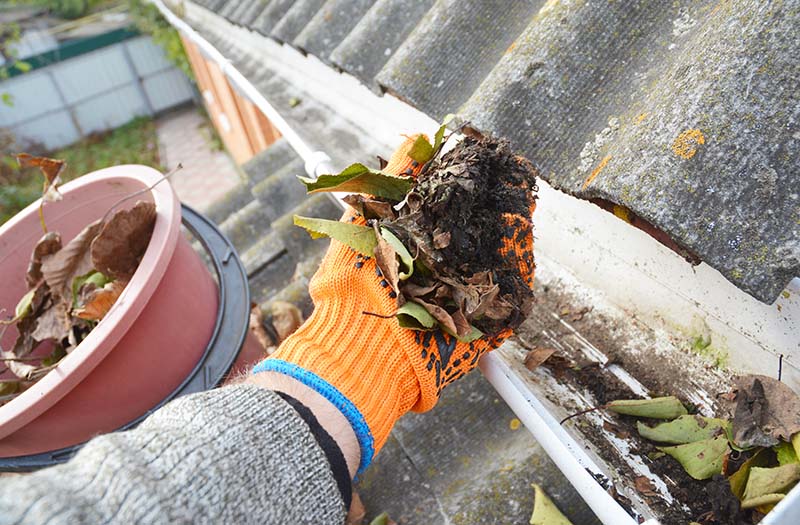
Autumn brings cooler weather and falling leaves, but it also creates extra maintenance work for property owners. Leaves, moss, twigs, and dirt can quickly collect inside gutters, restricting the flow of rainwater and increasing the risk of property damage.
Gutter cleaning may seem like a minor task, but ignoring it can lead to damp walls, roof damage, overflowing water, and costly repairs. Because gutters are positioned above eye level, problems often remain unnoticed until visible damage appears.
Regular cleaning keeps rainwater moving safely from the roof into the drainage system. It also helps identify loose joints, cracks, sagging sections, and blocked downpipes before they become more serious.
The Advantages of Regular Gutter Cleaning and Maintenance
Keeping gutters clear protects several parts of your property at the same time. It reduces pressure on the guttering, prevents uncontrolled water overflow, and lowers the likelihood of expensive repair work.
Preserve Gutter Longevity
Gutters are constantly exposed to rain, wind, frost, and falling debris. When leaves and dirt build up, they hold moisture and place additional weight on the guttering.
Over time, this can cause gutters to sag, joints to separate, and brackets to pull away from the building. Metal systems may also begin to corrode when wet debris remains in place for extended periods.
Routine cleaning removes this build-up before lasting damage occurs. It also makes it easier to spot minor defects while they are still straightforward and affordable to repair.
Guard Your Roof
Blocked gutters prevent rainwater from draining away from the edge of the roof. Water may collect around tiles, fascia boards, soffits, and other vulnerable areas.
Persistent moisture can damage timber, encourage rot, and allow water to enter the loft or upper floors. The risk increases during heavy rainfall because blocked gutters cannot handle a large volume of water.
Removing leaves, moss, and other obstructions helps water flow away from the roof as intended. This protects the roofline and reduces unnecessary moisture exposure.
Foundation Protection
Gutters do more than protect the roof. They also control where rainwater reaches the ground.
When a gutter or downpipe is blocked, water may overflow directly beside the building. Repeated exposure can saturate the soil, create standing water, and weaken vulnerable areas around the property.
Excess moisture near the base of a building may contribute to dampness, cracks, and movement. Clean gutters and working downpipes direct rainwater towards suitable drainage points, helping protect walls, paving, landscaping, and foundations.
Health and Hygiene
Debris-filled gutters often trap stagnant water. These damp conditions can encourage mould, algae, bacteria, and unwanted pests.
Insects may breed in standing water, while birds and rodents can use neglected gutters for shelter or nesting. Decaying leaves may also produce unpleasant smells.
Overflowing water can create damp patches inside and outside the property. If the damp remains untreated, mould may develop on walls and ceilings, which can be especially uncomfortable for people with asthma or allergies.
How Blocked Gutters Can Damage Your Property
A blocked gutter cannot carry rainwater away efficiently. Instead, water spills over the sides, runs down exterior walls, and collects around the building.
This can lead to stained brickwork, damaged render, peeling paint, rotten fascia boards, and damp patches. In colder weather, trapped water may freeze and expand, placing additional pressure on gutter joints and fittings.
The longer a blockage remains, the more extensive the damage can become. Regular inspections help prevent small drainage problems from affecting several parts of the property.
Common Causes of Gutter Blockages
Leaves are one of the most common causes of blocked gutters, particularly during autumn. However, several other materials can restrict the flow of water.
Common causes include:
- Moss falling from roof tiles
- Twigs and small branches
- Mud and windblown dirt
- Bird nesting materials
- Broken roof tiles
- Tennis balls and other objects
- Plants growing inside the gutter
- Debris trapped inside downpipes
Properties located near large trees may experience blockages more frequently. Gutter guards can reduce the amount of debris entering the system, but they still require occasional cleaning and inspection.
How Often Should Gutters Be Cleaned?
Most properties should have their gutters checked and cleaned at least twice a year. Spring and autumn are usually the best times for gutter cleaning because they follow periods of heavy leaf fall and unsettled weather.
Some properties require more frequent attention. This may include buildings surrounded by trees, properties with older guttering, and commercial premises with large roof areas.
It is also sensible to arrange an inspection after a major storm. Strong winds can carry branches, leaves, and other debris onto the roof and into the guttering.
A regular maintenance schedule is usually more affordable than waiting until an overflow causes visible damage.
Signs Your Gutters Need Cleaning
Gutter problems are not always obvious from ground level. However, several warning signs suggest that cleaning or repair work may be required.
Look out for:
- Water spilling over the gutter edge
- Sagging or uneven gutter sections
- Plants growing inside the gutter
- Dark stains beneath the roofline
- Damp patches on exterior walls
- Water collecting near the foundations
- Loose brackets or disconnected joints
- Little or no water leaving the downpipe
- Birds or pests gathering around the guttering
These signs should not be ignored. An inspection can determine whether the problem is caused by debris, damaged fittings, an incorrect gutter slope, or a blocked underground drain.
Why Professional Gutter Cleaning Is Safer
Cleaning gutters often involves working at height, which can be dangerous without the correct training and equipment. Household ladders may not provide safe access, particularly on uneven ground or around extensions and conservatories.
Professional gutter cleaners use suitable access equipment and specialist tools to remove debris safely. They can also inspect areas that may be difficult to see from ground level.
A professional service may include:
- Removing leaves, moss, and dirt
- Clearing blocked downpipes
- Checking joints and brackets
- Identifying cracks or leaks
- Testing the flow of rainwater
- Reporting areas that require repair
Professional cleaning reduces the risk of injury and provides a more complete assessment of the gutter system.
Speak With Our Gutter Cleaning Team
Gutters should be inspected regularly rather than waiting for water to overflow. Early maintenance can protect your roof, walls, foundations, and drainage system from preventable damage.
Environ Drainage Services provides professional gutter cleaning and maintenance for residential and commercial properties across London. Our team removes leaves, moss, dirt, and other debris before checking that water can flow freely through the gutters and downpipes.
If your gutters are blocked, overflowing, or overdue for maintenance, contact our team to arrange an inspection and cleaning service.
Frequently Asked Questions
What happens if gutters are not cleaned?
Uncleaned gutters can become blocked with leaves, moss, dirt, and other debris. Rainwater may then overflow onto walls, roofing, and the ground around the property. Over time, this can contribute to damp, mould, damaged fascia boards, roof leaks, and foundation problems.
Can blocked gutters cause damp inside a property?
Yes. When water cannot flow through the guttering, it may run down exterior walls or enter through gaps around the roofline. Persistent moisture can eventually create damp patches, peeling paint, mould growth, and damage to internal walls or ceilings.
What is the best time of year to clean gutters?
Gutters are generally best cleaned during spring and autumn. Autumn cleaning removes fallen leaves before winter rainfall, while spring cleaning clears debris that may have collected during storms. Properties close to trees may need more frequent maintenance.
Is professional gutter cleaning worth it?
Professional gutter cleaning is worthwhile, particularly when gutters are high or difficult to reach. Trained specialists can remove debris safely, clear blocked downpipes, test water flow, and identify damaged joints or brackets before they cause more expensive problems.